


Grindr - Gay Dating & Chat
4.279.69K Reviews
App Specs
- Version
- 26.19.0
- Updated On
- License
- Free
- Downloads
- 50,000,000+
- Developer
- Grindr LLC
- Categories
- Social
- Platform
- Android, iOS
Screenshots
 Analysis by AppCompare
I found Grindr - Gay Dating & Chat most useful when I treated it as a fast way to discover nearby LGBTQ+ people rather than as a guaranteed route to a relationship. Its biggest strength is immediacy: the app puts local profiles, conversations, and potential connections in one focused social space. That can make meeting people feel less intimidating, especially if you are new to a city or simply want to talk with people who understand your identity. At the same time, that speed creates pressure. Conversations can be brief, expectations may differ from one person to another, and privacy requires active attention.
After spending time with it, my view is fairly clear: this is a strong location-based social app for gay, bi, trans, and queer adults who want a large, active pool of nearby connections. It is less convincing for someone looking for a slow, highly curated dating experience with extensive compatibility guidance. The app gives you access and choice, but you still have to supply patience, judgment, and clear boundaries.
How the app feels in everyday use
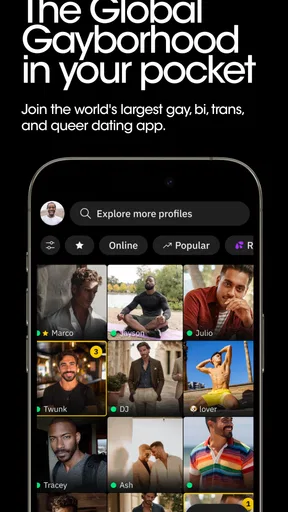
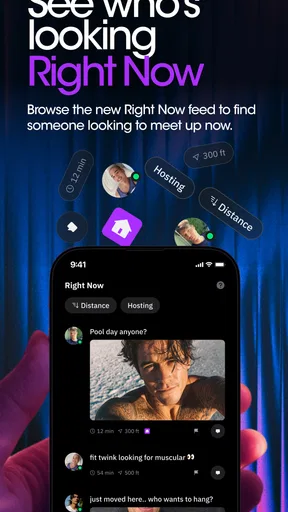
Grindr is a social app developed by Grindr LLC, and its design is built around seeing who is available around you. Rather than making you complete a long personality profile before browsing, it brings the local community to the front. That makes the first few minutes straightforward: create a profile, decide how much to share, look through nearby people, and start a conversation when there is a natural reason to do so.
I noticed that this structure changes the tone of dating. On a traditional relationship-focused service, I usually spend more time reading prompts and trying to infer long-term compatibility. Here, the first decision is often simpler: does this profile seem approachable, nearby, and aligned with what I want today? That can be refreshing when I want a casual conversation or a quick introduction, but it also means the app may feel too immediate for people who prefer a carefully paced courtship.
The app serves a broad LGBTQ+ audience, including gay, bi, trans, and queer people. That matters because the value is not only romantic. I can imagine using it to meet someone for a date, find a conversation partner after moving, or get a sense of the local queer social scene. Still, users should not assume that every person is looking for the same kind of connection. A clear profile and an early, respectful question about intentions can save a great deal of time.
Its scale is a major part of the experience. The app has passed 50 million installs and holds a 4.2 average from around 1.6 million ratings, so it is not a niche experiment with a tiny audience. That reach can improve the odds of finding someone relevant, particularly in larger towns and cities. In less populated areas, the experience will naturally depend more on how many active users are close enough to matter.
I also appreciate that the service is free to start. That makes it easy to test without committing money immediately. However, Grindr includes optional purchases ranging from $0.99 to $769.99 per item. The wide range is a reminder to inspect any upgrade carefully and decide whether it solves a problem I actually have. I would begin with the free experience, learn how often I use the app, and only then consider paying for convenience.
Worth Reading Before You Choose

Baby Panda World Brings Quick Play to Modern Phones, but Its Game Library Feels Busy

ESPN’s Live Game View Makes Following Close Games Easier

QuizzLand Review: A Good Fit for Short Trivia Breaks, Not Every Player

Basketball Stars: Multiplayer Is Fast, but Can It Recover When Matches Go Wrong?

WEBTOON Turns Phone Updates Into a Better Reading Routine

Link to Windows Runs on Shared Habits, Not Social Feeds
Browsing works best with a clear purpose
The most useful workflow is to decide what I want before opening the app. If I am looking for a date, I can write a profile that says so plainly. If I am open to friendship or conversation, saying that directly helps filter mismatched expectations. Without that small bit of preparation, the large number of profiles can become tiring rather than liberating.
I found that a short, specific opening message is more useful than a generic greeting. Mentioning something visible in a profile gives the other person an easy way to respond and reduces the feeling of sending messages into a crowd. It also helps me notice quickly whether the conversation has genuine mutual interest. If the exchange stays vague, pushy, or one-sided, there is little reason to keep investing time.
One practical tip is to separate discovery from planning. I would browse and chat first, then arrange a meeting only after confirming basic details in conversation. Moving too quickly from a profile view to an in-person plan can create avoidable uncertainty. A public place, a simple first meeting, and telling a trusted person where I am going are sensible habits, especially when I have never met the person before.
Privacy is part of the user experience
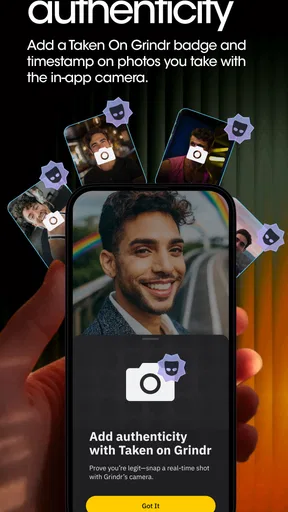
Because the service is built around local discovery, privacy deserves more thought here than it might on a broad social network. I would avoid placing a full workplace, exact home area, or other identifying information in a public-facing profile. A photo can reveal more than intended through backgrounds, uniforms, street signs, or reflections, so checking the image before uploading it is worthwhile.
I would also keep the first conversation inside the app until I feel comfortable. Someone asking immediately for personal contact details, money, intimate images, or a precise location is giving me a reason to slow down. The ability to meet nearby is useful, but convenience should never replace verification and consent. If a person ignores a boundary in chat, I would end the conversation rather than trying to negotiate them into being respectful.
The mature audience matters too. Grindr is rated Mature 17+, so it is not an app for children or younger teens. Adults using it should still remember that an age label does not remove the need for caution. People can misrepresent themselves online, and a polished profile is not proof of character. I see safety as a continuing process: share gradually, watch for inconsistencies, and leave when something feels wrong.
Where it stands against other dating choices
Compared with a general dating app, Grindr feels more direct and community-specific. I do not have to spend as much time explaining why LGBTQ+ identity is central to the kind of connection I want. That focus can make the first interaction easier and can reduce the emotional work of searching through a broad audience that may not understand my needs.
Compared with a social network built around groups or public posts, it is more intimate and more immediately oriented toward one-to-one contact. That is useful when I want to meet people rather than simply read discussions. The trade-off is that the app may offer less of the slower community-building experience found in forums, group chats, or local organizations. Someone who wants structured activities, extensive discussion, or a long-term community home may prefer those alternatives.
Compared with a heavily compatibility-driven dating service, Grindr gives me more control over whom I approach and how quickly things develop. I like that freedom, but it also shifts more responsibility onto me. The app cannot decide whether a person is emotionally available, honest about their intentions, or a good match in daily life. If I want an experience guided by detailed questionnaires and deliberate matching, another dating service may be a better fit.
The meaningful friction: choice can become noise
The same nearby focus that makes Grindr lively can also make it feel transactional. A stream of profiles encourages quick judgments, and quick judgments can flatten people into photos and short descriptions. I sometimes had to remind myself that a profile is only an introduction, not a complete picture of someone. Users who are sensitive to rejection, rapid exchanges, or appearance-first browsing may find the format emotionally draining.
Another limitation is the mismatch between availability and compatibility. Seeing many people nearby does not mean many are seeking the same thing, available at the same time, or ready to communicate thoughtfully. A large audience improves possibility, not certainty. I would judge the app by the quality of the conversations I can build, not by how many profiles I can scroll past.
Paid options can add another layer of friction. Since the app is free but offers in-app purchases, I would be cautious about treating upgrades as a shortcut to better connections. Paying may make browsing more convenient, but it cannot create chemistry or guarantee respectful behavior. Before buying anything, I would ask whether the free version is genuinely preventing me from using the app or whether I am simply reacting to the pressure of having more choices.
There is also a social challenge in balancing openness with boundaries. A profile that says too little may attract repetitive questions, while one that says too much may expose personal information. I found that a few honest details about interests and intentions work better than trying to write a complete autobiography. The goal is to make conversation easier without turning the profile into a map of my private life.
Who will get the most from it
I would recommend Grindr to an adult LGBTQ+ user who values a large local network and wants to begin conversations without a long matching process. It is especially practical for someone relocating, traveling, or trying to become more socially connected in a new area. In a realistic everyday scenario, I might move to a different city, spend an evening browsing nearby profiles, exchange a few messages with someone who shares an interest, and arrange a short coffee meeting in a busy public place. That is a reasonable use of the app: low-pressure discovery followed by careful planning.
It can also suit someone who is not ready for a formal date. A conversation can be a first step, and the app allows people to decide gradually whether they want friendship, romance, or something more casual. The important part is stating that preference without assuming everybody else has it. I would use the profile and early messages to establish expectations rather than hoping the other person will guess.
I would be more hesitant to recommend it to someone who wants only serious, long-term dating and dislikes ambiguous intentions. That person may find a more structured service less exhausting. I would also suggest another option for anyone who wants anonymous public discussion, organized LGBTQ+ events, or a strong emphasis on shared hobbies rather than proximity. Grindr can help with discovery, but it is not a replacement for every kind of queer social space.
New users may wonder whether they need to pay to make the app worthwhile. My answer is no: I would first use the free version long enough to understand the local activity and my own habits. If I later consider a purchase, I would read the exact offer, check the recurring terms carefully, and avoid buying while frustrated by a slow day or an awkward conversation. The best value comes from using the service with a clear goal, not from collecting every available option.
Another common concern is how quickly to meet someone. I would not use a fixed timetable because comfort levels differ, but I would look for consistent communication, respect for boundaries, and agreement about the plan. A first meeting should be easy to leave, held somewhere public, and separate from my home address. If the person pressures me to skip those precautions, that is useful information in itself.
For someone wondering whether the app is suitable for them, the answer depends less on identity alone than on preferred pace. If I enjoy direct conversations, local discovery, and making my own decisions, the format feels empowering. If I prefer extensive screening, slow introductions, or a strong algorithmic filter, I may spend too much energy managing the app’s openness. That difference is not a flaw for every user, but it is the central trade-off.
My final assessment
Grindr remains compelling because it makes LGBTQ+ social discovery immediate and geographically relevant. Its focus is clearer than a general-purpose dating service, and its large audience gives users a realistic chance of finding nearby conversations. I value that accessibility, particularly for people who feel isolated or are entering a new community. The app’s identity-centered audience is not a minor detail; it is the reason the experience can feel more natural than searching through a broad dating pool.
My reservations are equally important. The fast, profile-first environment can encourage shallow decisions, mixed expectations, and emotional fatigue. The free entry point is welcome, but optional purchases should be approached deliberately, especially with individual items priced from $0.99 up to $769.99. Privacy and personal safety are not settings I can outsource to the app; they depend on what I reveal, how I communicate, and whether I respect my own limits.
The current release is version 26.14.0 and supports devices running Android 8.0 or later. Grindr first appeared on February 25, 2011, and its longevity helps explain why it remains familiar to so many users. After considering the overall experience, I see Grindr - Gay Dating & Chat as a worthwhile free starting point for mature LGBTQ+ adults who want local connection and are comfortable taking an active role in filtering conversations.
I would recommend it to a friend with one condition: use it intentionally. Write enough to set expectations, protect identifying details, question pressure, and judge success by respectful interactions rather than endless browsing. If that approach sounds manageable, this app can open useful doors. If it sounds exhausting, a slower dating service or a community-based alternative may leave you happier.
Pros
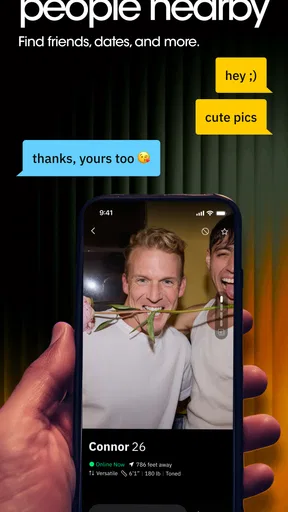
- Large LGBTQ+ user base makes finding nearby matches easier.
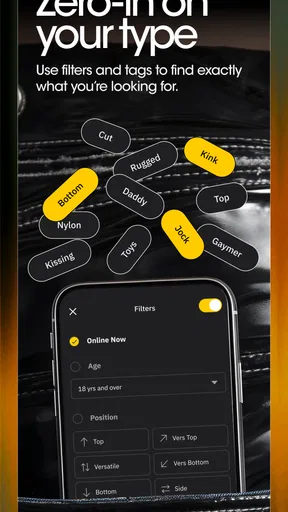
- Detailed filters help narrow searches by age
- interests
- and relationship goals.
- In-app messaging supports photos
- voice notes
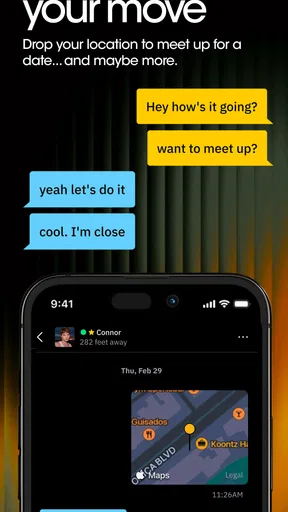
- and location sharing.
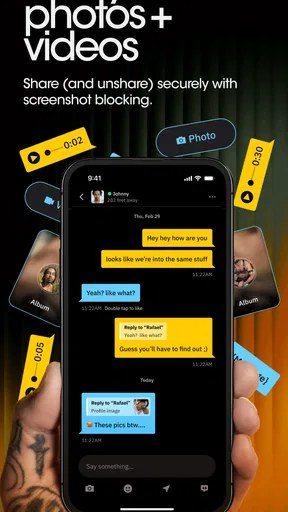
- Profile blocks and reporting tools help manage unwanted interactions.
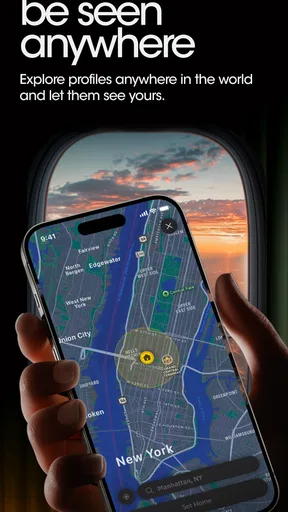
- Travel features can help users connect with people before visiting a city.
Cons
- Many useful filters and features require a paid subscription.
- Location-based matching may reveal approximate proximity to other users.
- Profiles can contain spam
- fake accounts
- or unsolicited messages.
- The app may use significant battery and mobile data during active use.
- Some conversations can feel focused on quick encounters rather than dating.
FAQs for Grindr - Gay Dating & Chat
What is Grindr – Gay Dating & Chat used for?
Grindr is a location-based social and dating app designed primarily for gay, bisexual, transgender, and queer adults. After creating a profile, you can browse nearby users, exchange messages, share photos, and discover people interested in chatting, dating, friendship, or casual encounters. The app’s experience depends heavily on your location and the information other members choose to display.
Is Grindr free to download and use?
Yes, Grindr can be downloaded and used without paying, and the free version includes profile creation, browsing, and basic messaging features. However, the app also offers optional premium subscriptions and paid upgrades that may remove advertisements, expand search and filtering options, show additional profiles, or provide other convenience features. Pricing and available benefits can vary by platform, region, and subscription plan.
How does Grindr protect my privacy and location?
Grindr provides privacy and safety settings that allow users to control aspects of their profile, visibility, messages, and notifications. Nevertheless, the app relies on location-based discovery, so users should think carefully about the personal details they share. Avoid publishing sensitive information, review permission settings, use blocking and reporting tools when necessary, and remember that screenshots or copied messages cannot always be prevented.
Can I use Grindr safely to meet people in person?
Grindr includes tools such as blocking and reporting to help users manage unwanted interactions, but no dating platform can guarantee that every profile or conversation is genuine. Before meeting someone, communicate sufficiently, consider using video or voice calls, choose a busy public location, tell a trusted person where you are going, and arrange your own transportation. Never send money or share sensitive financial information with another user.
What devices and account requirements are needed to use Grindr?
Grindr is available for compatible Android and iOS devices, although exact operating-system requirements may change as the app is updated. You generally need to install the official application, create or access an account, and allow selected permissions for features such as location-based profile discovery. Because the service is intended for adults, users should also check the current age requirements, terms of service, and local availability before registering.


